Can I Give My Dog Ibuprofen, Aleve, Aspirin or Tylenol?
No. Don't give your dog ibuprofen, naproxen, aspirin or acetaminophen without your vet's instruction. The FDA says no over-the-counter NSAID is approved for dogs, and the Merck Veterinary Manual reports stomach ulcers at daily doses one ordinary tablet can reach. Naproxen lingers about 74 hours in a dog. Call your vet, who can prescribe a dog-approved pain reliever.
Quick Answer
No, not on your own. Ibuprofen (Advil, Motrin), naproxen (Aleve) and aspirin are NSAIDs that can ulcerate a dog's stomach and damage the kidneys, and acetaminophen (Tylenol) can damage the liver. A vet may sometimes use acetaminophen or prescribe a dog-approved NSAID such as carprofen. If your dog already took one, call your vet, ASPCA Poison Control at (888) 426-4435 or Pet Poison Helpline at (855) 764-7661 now.
On this page6 sections
Our Verdict
Keep human pain relievers away from your dog unless your vet names the drug and the dose. Naproxen is the riskiest bottle in most cabinets because it lingers for days in a dog. If a limp or stiffness prompted the question, the useful next step is a vet visit for a dog-approved NSAID, and telling the vet anything you already gave.
One tablet, four dog sizes
Our arithmetic: one standard tablet divided by body weight (1 lb = 0.4536 kg), rounded. The last column is the lowest dose at which the Merck Veterinary Manual reports harm in dogs. These are not safe doses, and nothing on this page is a dosing guide.
| One tablet of | 10 lb dog | 25 lb dog | 50 lb dog | 80 lb dog | Where Merck reports harm |
|---|---|---|---|---|---|
| Ibuprofen 200 mg (Advil, Motrin) | 44 mg/kg | 18 mg/kg | 9 mg/kg | 5.5 mg/kg | Ulcers at 8–16 mg/kg a day for 30 days; vomiting and diarrhea from 100–125 mg/kg at once |
| Naproxen 220 mg (Aleve) | 48 mg/kg | 19 mg/kg | 10 mg/kg | 6 mg/kg | Tarry stool and weakness at 5.6 mg/kg a day for 7 days; bloody vomit after a single 35 mg/kg dose |
| Aspirin 325 mg | 72 mg/kg | 29 mg/kg | 14 mg/kg | 9 mg/kg | Stomach erosions in half of dogs given 25 mg/kg every 8 hours, within 2 days |
| Acetaminophen 500 mg (Tylenol Extra Strength) | 110 mg/kg | 44 mg/kg | 22 mg/kg | 14 mg/kg | Signs of acute poisoning above 100 mg/kg; red blood cell damage above 200 mg/kg |
How PawBench is paid: we earn an Amazon Associates commission on qualifying purchases. We don’t accept sponsored placements, paid reviews, or free products in exchange for coverage. Picks are ranked on documented owner outcomes and primary-source research, never on commission rate. Read the full methodology.
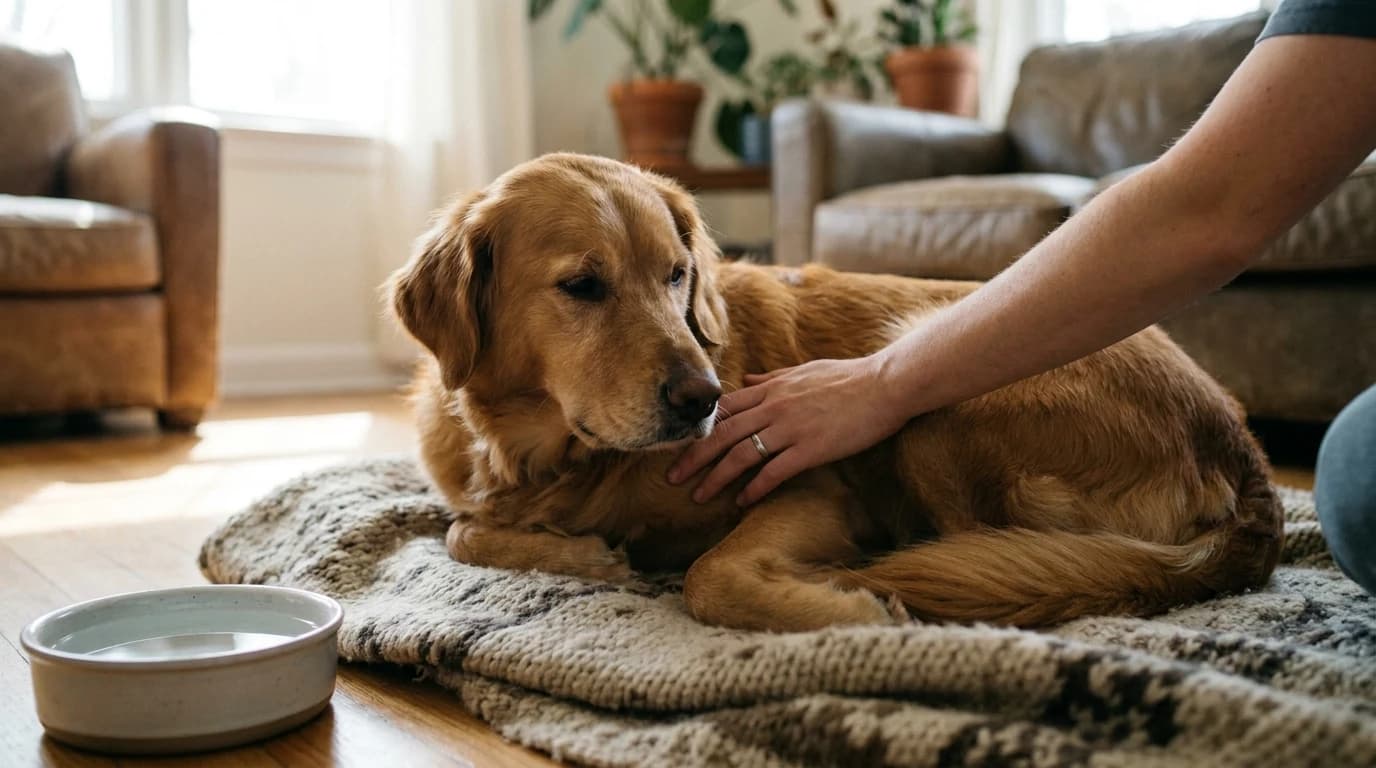
Your dog is limping, the vet is closed, and the bathroom cabinet holds four bottles that work for you. None of them is a safe home fix. The FDA is blunt about it: before reaching for any of them, stop and call your veterinarian. The table above shows why, bottle by bottle, using one ordinary tablet.
Already given a dose, or found a chewed bottle? Call your vet, ASPCA Poison Control at (888) 426-4435 (a consultation fee may apply) or Pet Poison Helpline at (855) 764-7661 ($99 per incident). Have the bottle, the tablet strength, how many are missing and your dog's weight ready.
The one-tablet math
Every harm figure in the Merck Veterinary Manual is written in milligrams per kilogram of dog. Owners think in tablets. So we did the division: one standard tablet, four dog sizes, set against the lowest dose at which Merck reports harm in dogs.
Two things fall out of that table that no single source states outright:
- Small dogs are already past the line on one tablet. A single 200 mg ibuprofen gives a 10 lb dog about 44 mg/kg. The ASPCA's poison center data records vomiting from single doses as low as 25 mg/kg.
- Big dogs aren't off the hook, because the danger is the repeat. One Advil a day puts a 50 lb dog inside Merck's ulcer range, and one Aleve a day puts an 80 lb dog above the dose Merck reports causing tarry stool within a week.
Read the numbers the right way round. These are the points where harm has been documented, not safe doses below them. Merck says ibuprofen has "a narrow margin of safety" in dogs and is no longer recommended for them at all.
Bottle by bottle
Advil and Motrin (ibuprofen): the thin margin
Merck reports stomach ulceration or erosions in dogs given 8 to 16 mg/kg a day for 30 days. That is roughly one 200 mg tablet a day for a dog of about 28 to 55 lb. Larger single swallows climb a ladder:
| Single dose | What Merck reports in dogs |
|---|---|
| 100–125 mg/kg | Vomiting, diarrhea, belly pain, appetite loss |
| 175–300 mg/kg | Possible kidney failure |
| Over 400 mg/kg | Seizures, wobbliness, coma |
| Over 600 mg/kg | Potentially lethal |
For a 10 lb dog, three tablets reach the first row.
Aleve (naproxen): the one that stacks
Naproxen is the bottle we'd move to the highest shelf. Merck puts its half-life in dogs at 74 hours, because the drug recycles through the bile and gut. Ibuprofen's is about 4.6. A daily naproxen tablet never fully clears before the next one lands.
Merck's case reports show how low that goes: 5.6 mg/kg a day for a week produced vomiting, tarry stool and weakness. One 220 mg Aleve is about 6 mg/kg for an 80 lb dog.
Aspirin: the familiar one
Aspirin feels safe because people have heard of dogs being given it. Merck's study list says otherwise. Plain aspirin at 25 mg/kg every eight hours caused stomach lining erosions in half of the dogs within two days. Coated and buffered aspirin did better in that work, which is the detail a vet weighs, not one to act on at home.
Tylenol (acetaminophen): the odd one out
Acetaminophen is not an NSAID. In dogs, Merck says clinical signs of acute poisoning are not seen unless the dose passes 100 mg/kg, and red blood cell damage has been reported above 200 mg/kg. The FDA notes that veterinarians sometimes use it in dogs. That is a vet's call on a vet's dose, though: one 500 mg Extra Strength tablet is already 110 mg/kg for a 10 lb dog. (If you share the house with a cat, the FDA says acetaminophen is fatal to cats.)
Why "dog aspirin" chewables aren't the answer
Pet stores and websites sell "dog aspirin" and other pain tablets without a prescription. The FDA states that no over-the-counter NSAID for dogs is FDA-approved. Anything sold that way is an unapproved animal drug, which the agency hasn't reviewed for safety, effectiveness or manufacturing.
The approved options all need a prescription:
| Active ingredient | Approved for |
|---|---|
| Carprofen | Dogs (osteoarthritis and after surgery) |
| Deracoxib, firocoxib | Dogs (osteoarthritis and after surgery) |
| Grapiprant | Dogs, osteoarthritis only |
| Meloxicam | Dogs, oral or injection |
| Robenacoxib | Dogs, after soft tissue surgery, 3 days maximum |
Leftover carprofen from your other dog isn't a shortcut. The FDA's own example is an owner reaching for exactly that, and its advice is the same: call first.
What the vet needs to hear from you
Giving something at home can change what the vet can safely prescribe next. The FDA warns against two NSAIDs together, or an NSAID with a steroid such as prednisone, because the gut risk adds up. Tell the clinic:
- Which drug, which strength, how many, and when. Bring the bottle.
- Every other medicine and supplement your dog takes, including flea and joint products.
- Any history of stomach trouble, kidney or liver disease. The FDA notes dogs can carry ulcers without showing signs.
Your own liquid prescriptions count too. Merck warns that some oral gabapentin solutions contain xylitol at levels toxic to dogs. If your dog gets into any human liquid medicine, read the inactive ingredients before you decide it's harmless.
Watch list after any pain reliever
Whether it was an accident or a prescription, the FDA lists the signs that mean stop and call:
- Vomiting or diarrhea
- Bloody or black, tarry stool
- Eating less, or moving less
- Yellowing of the gums or the whites of the eyes
Our vomiting and diarrhea guide covers when a mild stomach upset becomes urgent.
While you wait for the appointment
None of these replace pain relief, but they take load off a sore dog tonight:
- Shorten walks to slow, flat potty trips. Our guide on why a dog refuses to walk helps you describe what you're seeing.
- Block stairs and the jump onto the bed. A ramp from our senior mobility picks helps an older dog with arthritis.
- Give a firm, supportive bed away from drafts. See our orthopedic beds for large breeds.
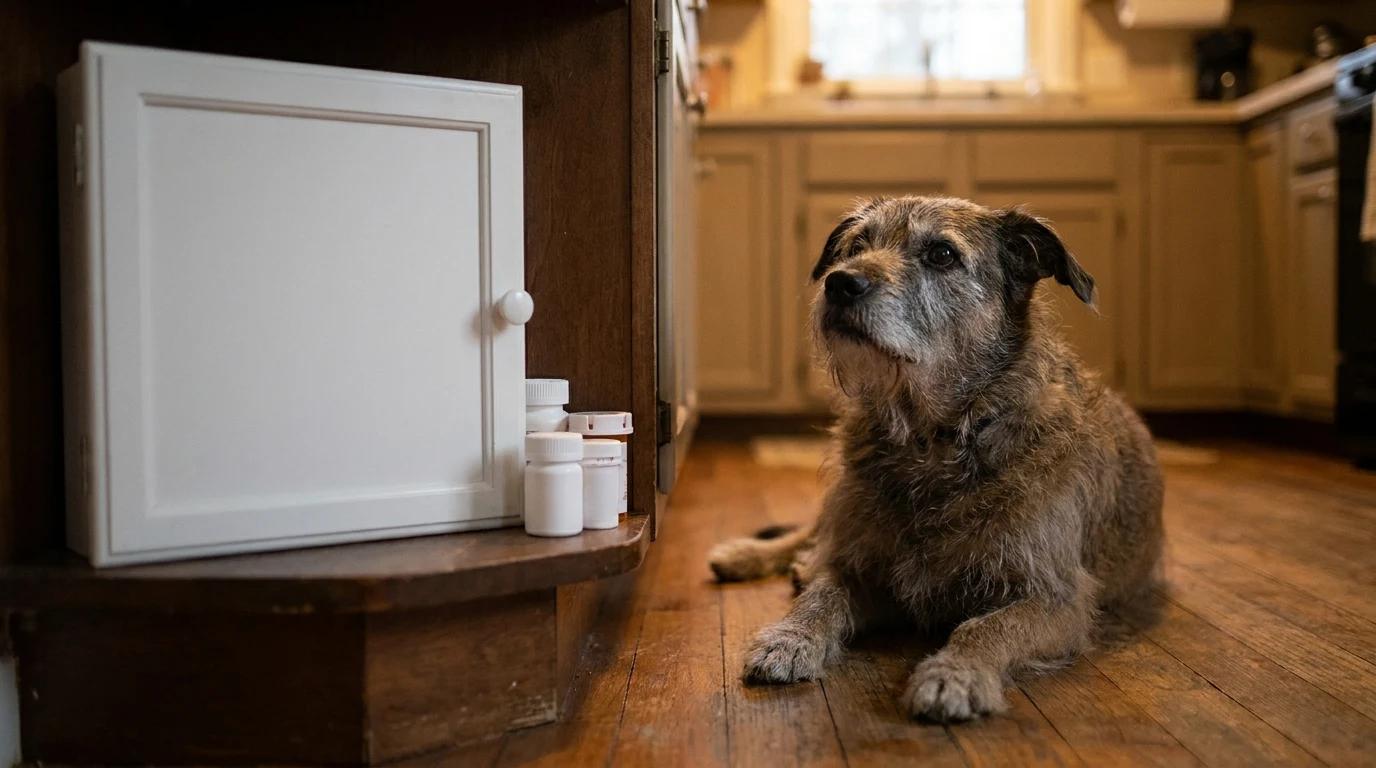
- Lock the cabinet. The FDA notes ASPCA's poison center gets hundreds of calls a year about pets that accidentally ate NSAIDs.
Frequently Asked Questions
- Can I give my dog baby aspirin?
- Not without your vet. A smaller tablet changes the dose, not the drug. The Merck Veterinary Manual reports stomach erosions in dogs on regular aspirin, and the FDA says no over-the-counter NSAID for dogs is approved.
- How long does ibuprofen stay in a dog's system?
- The Merck Veterinary Manual gives a mean elimination half-life of about 4.6 hours for ibuprofen in dogs. Naproxen is the outlier at about 74 hours, so repeated doses build up.
- Is Tylenol safer than Advil for dogs?
- It works differently. Acetaminophen is not an NSAID, and the FDA notes vets sometimes use it in dogs. It can still damage a dog's liver and red blood cells, so only give it at a dose your vet sets.
- My dog ate a few ibuprofen. What should I do?
- Call your vet, ASPCA Poison Control at (888) 426-4435 or Pet Poison Helpline at (855) 764-7661 now, with the bottle, the tablet strength, the number missing and your dog's weight. Don't wait for symptoms.
- What pain medicine can dogs have?
- The FDA lists carprofen, deracoxib, firocoxib, grapiprant, meloxicam and robenacoxib as approved NSAIDs for dogs. All of them need a veterinarian's prescription.
Research Sources
- Get the Facts about Pain Relievers for Pets — U.S. Food and Drug Administration
- Toxicoses From Human Analgesics in Animals — Merck Veterinary Manual
- Toxicology Brief: Ibuprofen toxicosis in dogs, cats and ferrets — dvm360 (ASPCA Animal Poison Control Center)
- ASPCA Poison Control — ASPCA
- Pet Poison Helpline — Pet Poison Helpline

PawBench Editorial
Published by Hilly Shore LabsPawBench’s editorial team researches dog products from primary veterinary sources, manufacturer specifications and aggregated buyer sentiment, alongside the lived ownership of Maggie, an Australian Labradoodle. We do not run hands-on product tests.
331 dog products scored · 1,202,303 buyer review-aspect mentions aggregated · cites AVMA, FDA, AAFCO, Cornell, WSAVA, AKC, ASPCA.
Recommendations are based on published veterinary guidelines, manufacturer specifications, and verified customer feedback. See our editorial standards.